GCITSD 2026

12–13 Jun 2026 Ebolowa, Cameroon
“Sustainable, Smart Cities and Environment: Challenges and Perspectives in Africa.”
FEATURED PARTNER

Startup World Cup — Cameroon 2026

GCITSD 2026 proudly hosts the Startup World Cup Cameroon Regional — the world's largest startup pitch competition. Connect with global investors, mentors, and compete for a chance at a US $1 million investment at the Grand Finale in Silicon Valley.

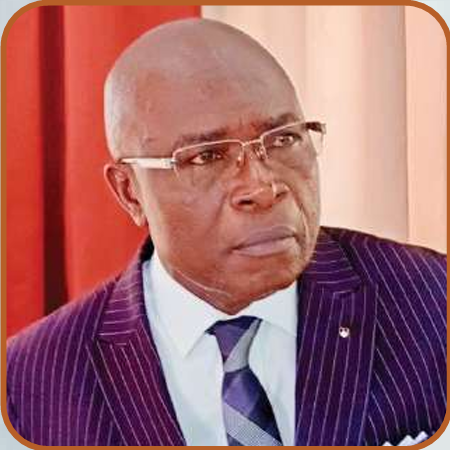
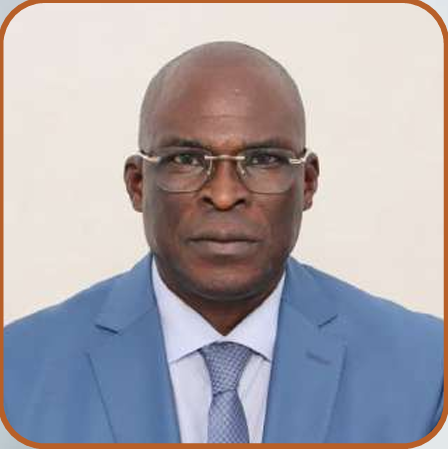
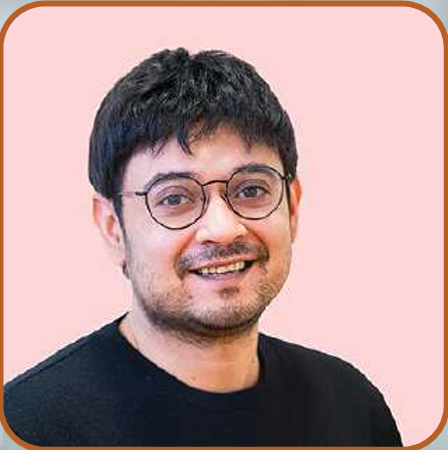
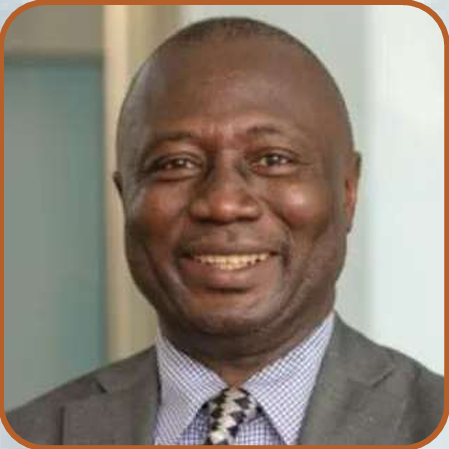
Co-chairs · Coprésidents

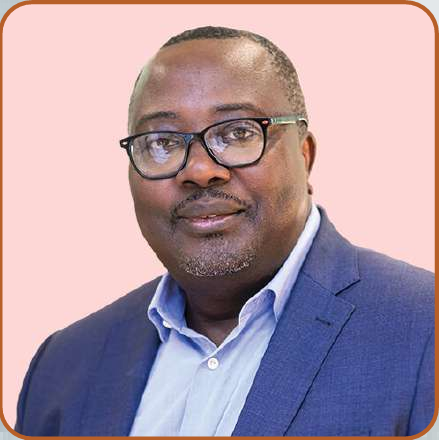
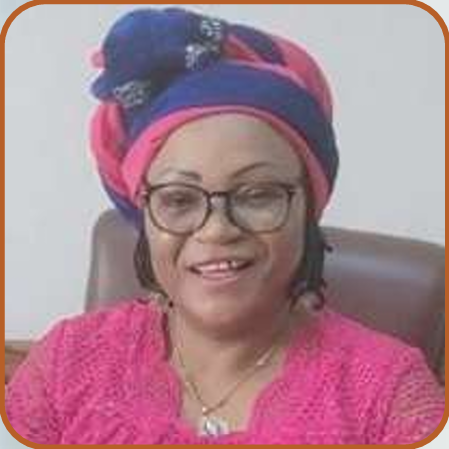
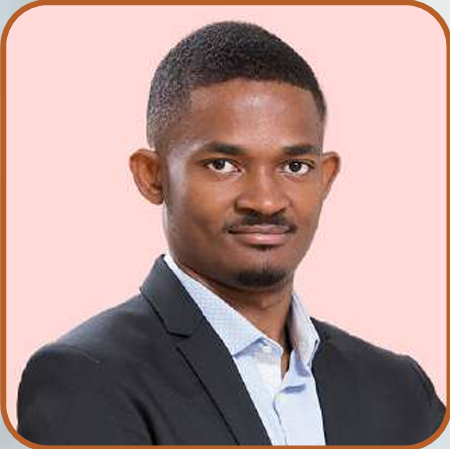
ProfSamuelFosso
Prof. Samuel Fosso Wamba
TBS Education
France
Read more →
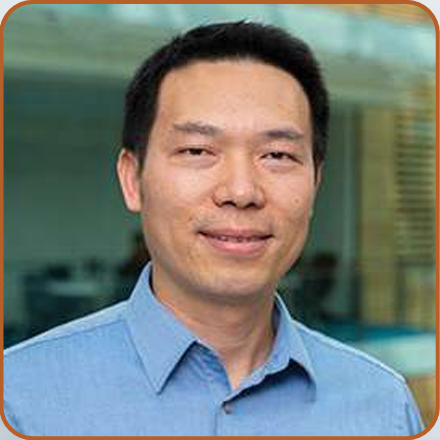
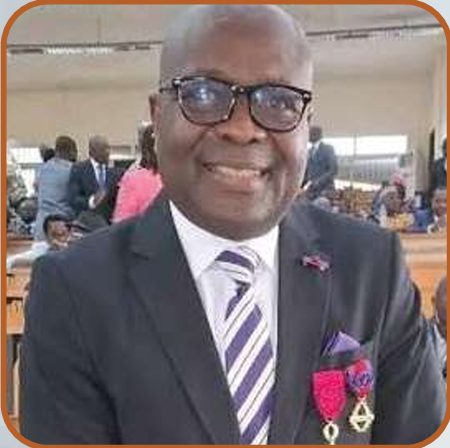
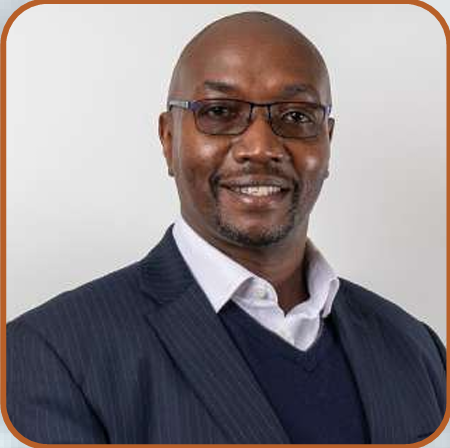
ProfChunming
Prof. Chunming Victor Shi
Wilfrid Laurier University
Canada
Read more →
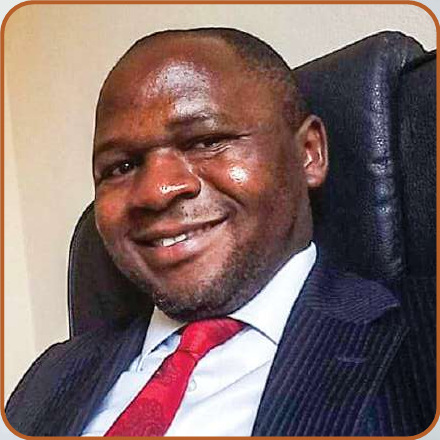
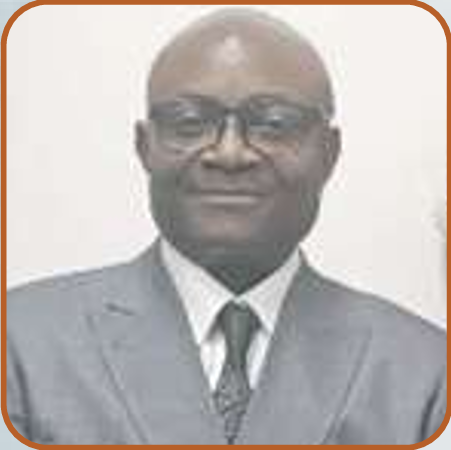
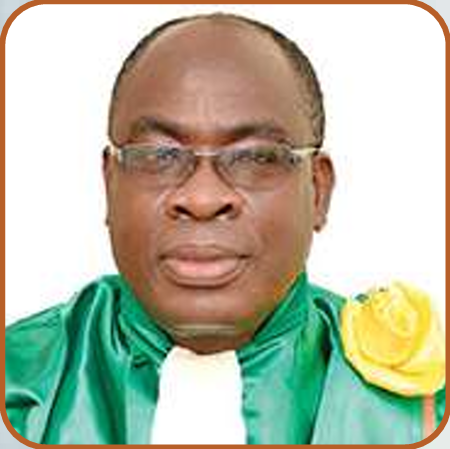
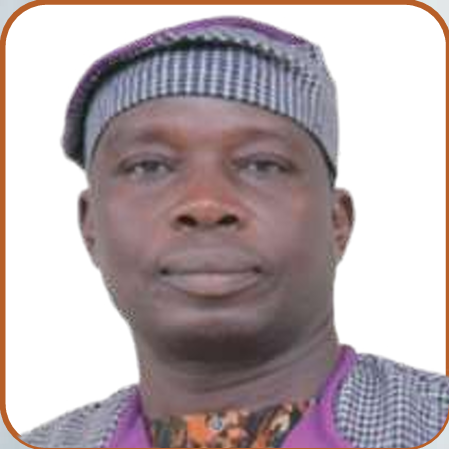
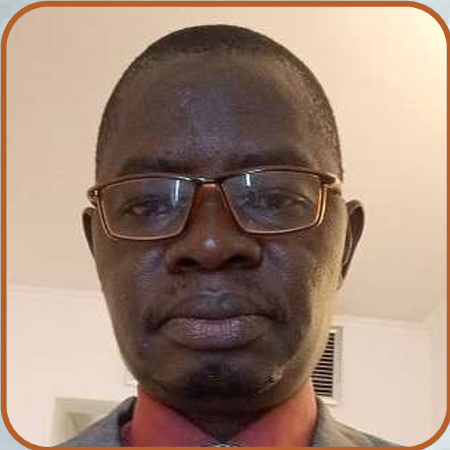
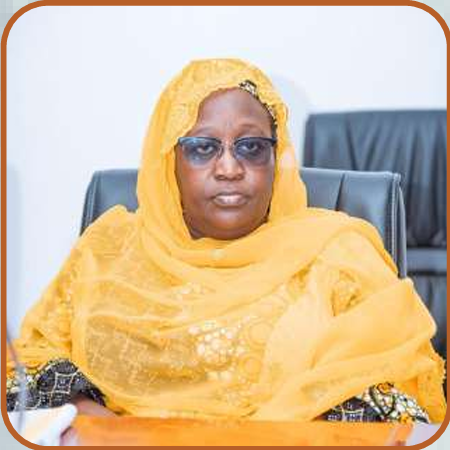
Prof. Sop Sop Maturin Désiré
University of Ebolowa
Cameroon
Read more →
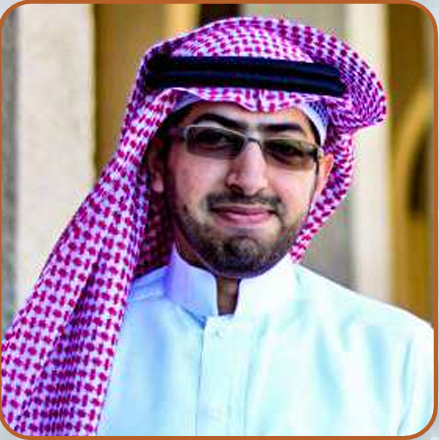
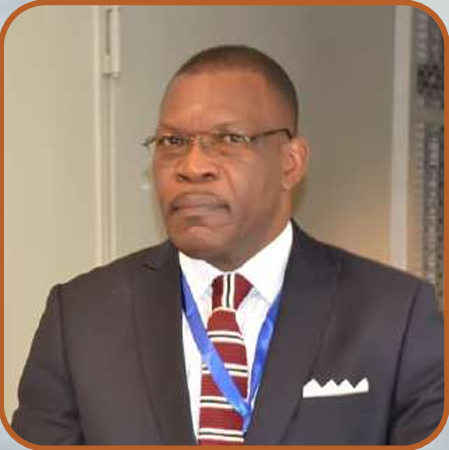
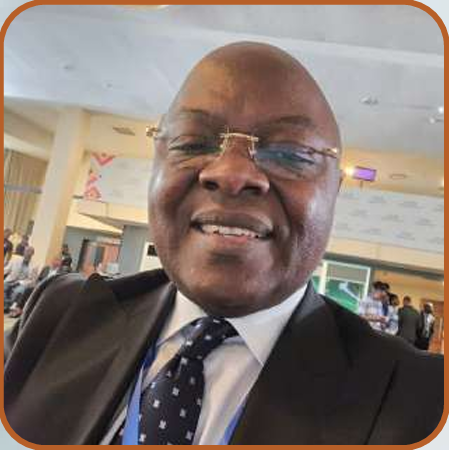
AProfMousa
A/Prof. Mousa Albashrawi
King Fahd University of Petroleum
Saudi Arabia
Read more →

Co-Chairs’ Video Introductions

Prof. Samuel Fosso Wamba
TBS Education · France
Prof. Chunming (Victor) Shi
Wilfrid Laurier University · Canada
Prof. Sop Sop Maturin Désiré
University of Ebolowa · Cameroon
A/Prof. Mousa Albashrawi
King Fahd University of Petroleum · Saudi Arabia

About GCITSD 2026

The Global Conference on Innovation, Technology, and Sustainable Development (GCITSD) welcomes full papers, abstracts, and special session proposals for its 1st annual conference in Ebolowa, Cameroon, under the supervision of the University of Ebolowa (Cameroon), TBS Education (France), King Fahd University of Petroleum (Saudi Arabia), and Wilfrid Laurier University (Canada), June 12–13, 2026.

Africa is the fastest-urbanizing continent. According to UN-Habitat (2022), more than half of its population will live in cities by 2035. Rapid urban growth brings opportunities and pressing challenges: informal housing, social inequalities, fragile infrastructure (water, energy, mobility), environmental degradation, food insecurity, and climate vulnerability. GCITSD 2026 convenes scholars, researchers, policymakers, practitioners, civil society, and community leaders to explore the theme: Sustainable, Smart Cities and Environment: Challenges and Perspectives in Africa.

Conference Tracks · Thématiques

Digital Transformation & Smart Technologies / Transformation Numérique et Technologies Intelligentes
  • IoT & AI applications / Applications de l’IoT et de l’IA
  • E-Governance & digital services / E-gouvernance et services numériques
  • Cybersecurity / Cybersécurité
  • Digital inclusion / Inclusion numérique
  • Digital Transformation & Sustainable Development / Transformation numérique et développement durable
  • IoT & citizen participation / Internet des objets et participation citoyenne
  • AI & Logistics in Port-City Relations / IA & Logistique dans les relations ports-villes
  • Digitalization & Sustainable Land Management; Smart Urbanization / Digitalisation & gestion durable du foncier; urbanisation intelligente
  • Smart Technologies, Safer Cities: AI for Urban Security / Technologies intelligentes, villes plus sûres : l’IA pour une sécurité durable
  • Safe & Inclusive Cities: Tackling Urban Violence / Villes sûres et inclusives : lutter contre la violence urbaine
Energy & Green Transitions / Énergie et Transitions Vertes
  • Renewable energy / Énergies renouvelables
  • Smart grids / Réseaux électriques intelligents
  • Energy efficiency / Efficacité énergétique
  • Green hydrogen / Hydrogène vert
Climate, Environment & Resilience / Changements Climatiques, Environnement & Résilience
  • Climate vulnerability / Vulnérabilité climatique
  • Disaster risk reduction / Réduction des risques de catastrophes
  • Nature-based solutions / Solutions fondées sur la nature
  • Water management / Gestion des ressources en eau
Sustainable Mobility & Infrastructure / Mobilité Durable & Infrastructures
  • Electric transport / Transport électrique
  • Smart traffic systems / Systèmes de trafic intelligents
  • Agri-infrastructure / Infrastructures agricoles
  • Rural-urban connectivity / Connectivité rural-urbain
Policy, Governance & Financing / Politiques, Gouvernance & Financement
  • Policy frameworks / Cadres politiques
  • Green finance / Financement vert
  • Regional integration / Intégration régionale
  • Urban governance / Gouvernance urbaine
Social Dimensions & Human Development / Dimensions Sociales & Développement Humain
  • Inclusive urbanization / Urbanisation inclusive
  • Smart healthcare / Systèmes de santé intelligents
  • Education & digital literacy / Éducation & littératie numérique
  • Cultural heritage / Patrimoine culturel
Innovation & Circular Economy / Innovation & Économie Circulaire
  • African startups / Startups africaines
  • Waste management / Gestion des déchets
  • Green entrepreneurship / Entrepreneuriat vert
  • Innovation hubs / Pôles d’innovation

Call for Papers · Appel à Communications

We invite contributions from researchers, students, urban planners, architects, companies, start-ups, NGOs, and policymakers. / Nous invitons les contributions des chercheurs, étudiants, urbanistes, architectes, entreprises, start-ups, ONG et décideurs politiques.

Submission Guidelines · Modalités de Soumission

Types of Contributions · Types de contributions
  • Research papers / Articles de recherche — Abstract 200–300 words
  • Case studies & field experiences / Études de cas & retours d’expérience — Extended abstract 150–200 words
  • Innovative projects / Projets innovants — Extended abstract 150–200 words
  • Author bio / Biographie auteur100 words
Practitioners & Innovation Track · Volet Praticiens et Innovation
  • Abstract 500–700 words, project sheet, or video pitch / Résumé long (500–700 mots), fiche projet ou présentation vidéo
  • Selected contributions featured in workshops/demos
  • Author bio — 100 words
Submit · Soumettre

Accepted presenters can download the official GCITSD 2026 presentation template below.

Download Presentation Template

Doctoral Consortium · Consortium Doctoral

A one-day interactive event for doctoral students to engage with mentors and peers. Eligible candidates: PhD students who have begun but not yet completed their comprehensive exams.

register for free before May 15/ s’inscrire gratuitement avant le 15 mai:
https://fr.surveymonkey.com/r/5LNBPTR

Submission Format

Important Dates · Dates Importantes

  • Submission Deadline28 / 01 / 2026
  • Notifications to Authors28 / 02 / 2026
  • Final Submission04 / 05 / 2026
  • Pre-Conference / Doctoral Consortium11 / 06 / 2026
  • Link to register for free before May 15/ s’inscrire gratuitement avant le 15 mai:
    https://fr.surveymonkey.com/r/5LNBPTR
  • Conference Dates12–13 / 06 / 2026

Speakers

Interested in supporting GCITSD 2026? Email s.fosso-wamba@tbs-education.fr , maturinsop@gmail.com or cshi@wlu.ca.
Roger Bernard Onomo Etaba
University of Ebolowa
Cameroon
Read more →
Chunming (Victor) Shi
Wilfrid Laurier University
Canada
Read more →
Michel Boukar
Minister of Telecommunications
Digital Economy and Public Administration Digitalization, Chad
Read more →
Chowdhury Soumyadeb
TBS Education
France
Read more →
Daniel K. B. Inkoom
Kwame Nkrumah University of Science and Technology (KNUST)
Ghana
Read more →
Brenda Nachuah Lawyer
University of Douala
Cameroon
Read more →
René Joly ASSAKO ASSAKO
University of Douala
Cameroon
Read more →
Glenn Richey
Auburn University
USA
Read more →
Roger Atsa Etoundi
University of Yaoundé I
Cameroon
Read more →
Constantin Blome
Stockholm School of Economics
Sweden
Read more →
Pascal TOUOYEM
Université de Yaoundé I
Cameroon
Read more →
Temilade Sesan
University of Lagos, Nigeria
African Cities Research Consortium
Read more →
Brou Emile Koffi
University Alassane Ouattara
Côte d'Ivoire
Read more →
Henri Sourou TOTIN VODOUNON
University of Parakou
Benin
Read more →
Abdulhameed Danjuma Mambo
Nile University
Nigeria
Read more →
Ndoutorlengar Médard
University of N'djamena
Chad
Read more →
Samuel Fosso Wamba
TBS Education
France
Read more →
Serge NYAMA
TBS Education
France
Read more →
Hossana Twinomurinzi
University of South Africa (UNISA)
South Africa
Read more →
Roukatou Aboubakar
University of Garoua
Cameroon
Read more →
Désiré AVOM
University of Yaoundé II
Soa
Read more →
Frederick J. Riggins
North Dakota State University (NDSU)
United States
Read more →

Scientific committee

  • Prof. Etoa Etoa Jean-Bosco, University of Ebolowa, Cameroon
  • Prof. Roger Bernard Onomo Etaba, University of Ebolowa, Cameroon
  • Prof. Jean-Claude Abada Medjo, University of Ebolowa, Cameroon
  • Prof. Ebot Ebot Enaw, ANTIC, Cameroon
  • Prof. Atsa Etoundi, University of Yaoundé I, Cameroon
  • Prof. Samuel Fosso Wamba, TBS Education, France
  • Prof. Joly Rene Assako Assako, University of Douala, Cameroon
  • Prof. Tchawa Paul, University of Yaoundé I, Cameroon
  • Prof. Victor Shi, Wilfrid Laurier University, Canada
  • Prof. Roukayatou, University of Garoua, Cameroon
  • Prof. Fombe Lawrence, University of Bamenda, Cameroon
  • Prof. Ndoutorlengar Medar, University of N’djamena, Chad
  • Prof. Glenn Richey, Auburn University, USA
  • Prof Serge Loungou, Omar Bongo University
  • Prof. Natali Kossoumna Liba’a, University of Maroua
  • Prof. Maturin Desire Sop Sop, University of Ebolowa, Cameroon
  • Prof. Bokali Emile Sedar, University of Ebolowa, Cameroon
  • Prof. Constantine Blome, Stockholm School of Economics, Sweden
  • Prof. Abdulhameed Danjuma Mambo, Nile University Nigeria
  • Prof. Bernard Gonne, University of Maroua, Cameroon
  • Prof. Fosso Pauline, HiSCoTS, Cameroon
  • Prof. Kemegni Noumigue Guy Roland, University of Bamenda, Cameroon
  • Prof. Kimengsi Jude, University of Bamenda, Cameroon
  • Prof. Nantchouang Djibie Dany, University of Bamenda, Cameroon
  • Prof. Moupou Moise, University of Yaoundé I, Cameroon
  • Prof. Wannie Clakson Mvo, University of Bamenda, Cameroon
  • Prof. Serges Nyawa, TBS Education, France
  • Prof. Tchindjang Mesmin, University of Yaoundé I, Cameroon
  • Prof. Brenda Nachuah Lawyer, University of Douala, Cameroon
  • Prof. Jean Guy Ndzana, University of Yaoundé I, Cameroon
  • Prof. Gnekpe Christian, TBS Education, France
  • Prof. Galega Sangena Daiga, University of Yaoundé II
  • Prof. Blaise Nguendo-Enock, IFORD, Yaoundé, Cameroon
  • Prof. Guthrie Cameron, TBS Education, France
  • Prof. Meva’a Abondo Dominique, University of Douala, Cameroon
  • Prof. Helen Inseng Duh, University of the Witwatersrand, South Africa
  • Prof. Teche Ndeno Stephane, University of Dschang, Cameroon
  • Prof. Amougou Amathe, University of Yaoundé 1, Cameroon
  • Prof. Defo Louis, University of Yaoundé I, Cameroon
  • Prof. Wega Simeu Abraham, University of Bamenda, Cameroon
  • Prof. Christian Petang, University of Yaoundé 1, Cameroon
  • Prof. Robert MADJIGOTO, University of N’djamena, Chad
  • Prof. Ba’ana Etoundi Marie Louise, University of Douala, Cameroon
  • Prof. Baska Toussia, University of Bertoua, Cameroon
  • Prof. Moïse TSAYEM DEMAZE, Université du Mans
  • Prof. Anne Marilyse KOUADIO, University of Abidjan
  • Prof. Kolyang Dina Taiwe, University of Maroua, Cameroon
  • Prof. Tchuente Dieudonné, TBS Education, France
  • Prof. Abossolo Samuel Aime, University of Ebolowa, Cameroon
  • Prof. Bienvenu Bongue, Jean Monnet University, Saint-Étienne, France
  • Prof. Pascal Mbaha, University of Douala, Cameroon
  • Prof. Emile Brou Koffi, Alassane Ouatara University
  • Prof. Euloge Makita-Ikouaya, University Omar Bongo, Gabon
  • Prof. Suiven John Paul Tume, University of Bamenda, Cameroon
  • Prof. Frederick J. Riggins, North Dakota State University, USA
  • Prof. Dzalla Ngangue, University of Douala, Cameroon
  • Prof. Antoine Socpa, University of Yaoundé 1, Cameroon
  • Prof. Julius Tata Nfor, University of Dschang, Cameroon
  • Prof. Gilbert Assi YASSI. University of Abidjan, Cote d’Ivoire

Schedule

08:30 – 09:00

Registration & Welcome Coffee

Bengo Hotel, Ebolowa

09:00 – 12:30

Prof. Sop Sop Maturin D

Workshop 1 — Concevoir une recherche à fort impact à l’ère de l’IA : de l’analyse bibliométrique à la modélisation par équations structurelles

Bengo Hotel, Ebolowa

Facilitators: Prof. Samuel Fosso Wamba (TBS Education, France) & Prof. Sop Sop Maturin Désiré (University of Ebolowa, Cameroon)

  • Opening & Facilitator Introduction
  • Session 1 (Interactive Lecture / Demo)
  • Hands-on Activity / Group Work
  • Q&A and Discussion

12:30 – 14:00

Lunch Break

14:30 – 18:00

Workshop 2 — Blockchain, Smart Contracts, and the Emerging Crypto Economy

Bengo Hotel, Ebolowa
  • Recap & Introduction
  • Session 2 (Advanced Concepts / Case Studies)
  • Practical Exercises / Collaboration
  • Open Discussion & Feedback

18:00

Closing

  • Summary of Key Takeaways / Certificates / Participation
  • Acknowledgment / Networking

07:30 – 08:30

Registration & Welcome Coffee

Bengo Hotel, Ebolowa

08:30 – 09:30

Keynote Speeches

  • Prof. Chowdhury Soumyadeb — TBS Education, France
  • Prof. Frederick J. Riggins — North Dakota State University (NDSU), United States

09:30 – 11:30

Parallel Sessions 1

Room 1: Digital Transformation & Smart Technologies
Chair: Samuel Fosso Wamba

Room 2: IoT & AI Applications
Chair: Chunming (Victor) Shi, Wilfrid Laurier University, Canada

Room 1 — Digital Transformation & Smart Technologies
  1. Leveraging artificial intelligence (AI) to enhance teaching and learning in tertiary institutions across Nigeria
    Yahaya Salisu Ibrahim; Lawan Ladan | Federal College Education Yola | Nigeria
  2. Optimisation du trafic réseau dans un Datacenter multi-tenant à l’aide des technologies SDN et NFV: Cas de Camtel
    Kamdem Robby Chesnay | Cameroon
  3. Outil d’analyse des données de trafic mobile pour un dimensionnement optimal du réseau
    Amine Mahamat | SUP’PTIC Yaoundé | Cameroun
  4. Optimisation du Traffic Engineering en utilisant les techniques de Machine Learning : cas de l’IP RAN
    Anguissa Awoundza Gael Mbono | SUP’PTIC | Cameroun
  5. Secure and Lightweight AI for Automated Grading in African Schools: A Cameroonian Pilot for Smart, Inclusive Education
    Charlie Gael Atangana Otele | The University of Bamenda | Cameroon; Djakba Faustin | The University of Bamenda | Cameroon; Samuel Fosso Wamba | TBS Education | France; Romain Atangana | The University of Bertoua | Cameroon; Mathias Akong Onabid | University of Dschang | Cameroon
  6. Curriculum Innovation for Smart Urban Futures: Integrating Sustainability and Digital Skills in African Education Systems
    Brenda Nachuah Lawyer - Diangha | Advanced Teacher Training College for Technical Education (ATTCTE), University of Douala, Cameroon. | Cameroon; Brenda Nachuah Lawyer - Diangha | Advanced Teacher Training College for Technical Education, University of Douala | Cameroon
  7. An AI-Driven Digital Maturity for Sustainable Digital Transformation in Business Sectors
    Arnesh Telukdarie | Johannesburg Business School | South Africa; Fabchi Rajour Jumfan | Johannesburg Business School | South Africa; Musawenkosi Nyathi | Johannesburg Business School | South Africa; Christian Tshukudu | Johannesburg Business School | South Africa
  8. Surveiller et prévenir la radicalisation en milieu urbain : gouvernance numérique intelligente et analyse des opinions extrêmes sur les réseaux sociaux
    Bessoubel Monang Patricia Andréa | Université d’Ebolowa | Cameroun; Kengni Olga | Université d’Ebolowa | Cameroun; Nyabeye Pangop Doris Kholer | Université d’Ebolowa | Cameroun; Kouakep Tchaptchié | Université de Ngaoundere | Cameroun; Batchom Paul Elvic | IRIC/Université Yaoundé 2 | Cameroun
  9. AI-Driven Management Information Systems for Institutional Efficiency and Smart City-Oriented Sustainable Urban Development in Africa
    Bello Hassan Almustapha | Umaru Ali Shinkafi Polytechnic, Sokoto | Nigeria
Room 2 — IoT & AI Applications
  1. Evaluating the usability of a face-based hybrid authentication models
    Salihu Umar Suru; Atiku Muslim | Kebbi State University | Nigeria
  2. Forecasting Cameroon’s public debt: a hybrid approach between ARIMA and machine learning
    Mekeng Assiang Rikiatou | Catholic University of Central Africa | Cameroon
  3. Adoption of agentic AI in organizations: potential, challenges and benefits
    Djuidjia Simo; Guendergue Paul; Mbaiguedem Kara Jeff; Ngan Jean Emmanuel; Slanwa Moise | Université Catholique Afrique Centrale | Cameroun
  4. Participation citoyenne dans la gouvernance de l’IA appliquée à la mobilité urbaine
    Eddy Damaris Nono Defo | Université de Montréal | Canada; Shin KOSEKI | Université de Montréal | Canada
  5. The impact of sustainable development goals on the success of online crowdfunding campaigns: an analysis through natural language processing techniques
    Inzimam Ur Rehman | Ibn Haldun University Turkiye | Pakistan; Nihat Gumus | Ibn Haldun University Turkiye | Turkiye
  6. The transformative potential of artificial intelligence and generative AI in human resource management: evidence from Cameroon
    Hameni Kaye Monique Nadège | University of Douala | Cameroon
  7. Impact de l’intelligence artificielle sur la gestion pétrolière et gazière : cas du Tchad
    Dezoumbe Podebne Armel | Université Catholique Afrique Centrale | Cameroun

11:30 – 11:45

Coffee Break

11:50 – 12:50

Parallel Sessions 2

Room 1: Governance & Digital Services
Chair: Prof. Roukatou Aboubakar, University of Garoua, Cameroon

Room 2: Safe & Inclusive Cities
Chair: Prof. Brenda Nachuah Lawyer, University of Douala, Cameroon

Room 1 — Governance & Digital Services
  1. Transformation numérique et mobilisation des recettes portuaires au port autonome de Douala
    Julien Grégoire Onguene Ateba | Université de Yaoundé 2 | Cameroun
  2. L’e-government favorise-t-il la complexité économique ?
    Kouankekan Fokou Jeores | Université de Yaoundé 2-Soa | Cameroun
  3. Digital governance: a tool for energy poverty reduction in Africa?
    Sosson Tadadjeua | Faculty of Economics and Management, University of Ebolowa | Cameroon; Salim Ahmed Mbouombouo Vessah | Faculty of Economics and Management (CEREG), University of Yaoundé 2 | Cameroon; Brice Kamguia | Faculty of Economics and Management (CEREG), University of Yaoundé 2 | Cameroon; Ronald Djeunankand | University of Montreal | Canada
  4. Le rôle de la diaspora dans l’accompagnement entrepreneurial des CTD au Cameroun
    Djoum Kouomou Serge | Université de Yaoundé 2-Soa | Cameroun
Room 2 — Safe & Inclusive Cities
  1. Urban Poverty And Environmental Justice In Cameroon
    Awa Njoworia Valerie Adamu | University of Bamenda | Cameroon
  2. Impediments to just cities in Sub Sahara Africa: insights from Douala, Bafoussam and Maroua, Cameroon
    Maqueen Ngum Tamasang | University of Maroua | Cameroon; Mildred Endam Acha | University of Bamenda | Cameroon; MOBARA Benoît | University of Garoua | Cameroon
  3. Occupation anarchique des bas-fonds du quartier Melen et vulnérabilité des populations aux inondations
    Kengmoe Tchouongsi Emmanuel | Université d’Ebolowa | Cameroun
  4. Géographie des violences liées au travail économique des enfants âgés de 07 à 14 ans à Batouri
    Onana Jean Christophe | Université de Bertoua | Cameroun; Baska Toussia Daniel Valerie | Université de Bertoua | Cameroun

13:00 – 14:00

Lunch

14:00 – 15:00

Round Table & Keynote Speeches

Round Table — Chair: Samuel Fosso Wamba, TBS Education, France

  • Keynote 1: Prof. Constantin Blome — Stockholm School of Economics, Sweden
  • Keynote 2: Prof. Désiré AVOM — University of Yaoundé II-Soa
  • Keynote 3: Prof. Roukatou Aboubakar — University of Garoua, Cameroon

15:00 – 17:00

Parallel Sessions 3

Room 1: Digital Inclusion / Digital Transformation & Sustainable Development
Chair: Pascal Touoyem, Université de Yaoundé I, Cameroon

Room 2: Digitalization & Sustainable Land Management / Smart Urbanization
Chair: Prof. Nantchouang Djibie Dany, University of Bamenda, Cameroon

Room 1 — Digital Inclusion / Digital Transformation & Sustainable Development
  1. Exploring the contribution of digital literacy in the sustainable economic empowerment of market women in Nigeria
    Abba Hureira Tukur | Federal College of Education Yola | Nigeria
  2. Multi-abonnement aux plateformes over the top et fracture numérique en milieu urbain Camerounais : effets sur l’accès et les usages numériques
    Ango Mengue Larissa | Université de Yaoundé 2, Soa | Cameroun
  3. Littératie numérique et territoire : éclosion des compétences individuelles et/ou renforcement des inégalités au Cameroun
    Ndoumba Ndoumba Dorine Flora | Université d’Ebolowa | Cameroun
  4. Exploring the contribution of digital literacy in the sustainable economic empowerment of market women in Nigeria
    Hureira Abba Tukur | Federal College of Education Yola | Nigeria
  5. Harmonizing techno-divide: ubuntu-inspired digital stewardship for sustainable african cities
    Kemigisha Susan | African International University | Uganda
  6. Villes durables et intelligentes en Afrique : gouvernance de la gestion des déchets ménagers à Yaoundé (Cameroun)
    Vincent Eric Banock Bambock | Université d’Ebolowa | Cameroun
  7. Intégration de l’architecture traditionnelle et des pratiques agro-écologiques locales dans la construction des villes durables et intelligentes du Cameroun : cas de l’Adamaoua
    Hossokwa Nguehdama Happy Odile | Université de Ngaoundéré | Cameroun; Mbawaane Amidou Bienvenue Dieudonné | Université de Ngaoundéré | Cameroun
Room 2 — Digitalization & Sustainable Land Management / Smart Urbanization
  1. Smart Housing as a Catalyst for Sustainable Urban Industrialization in African Secondary Cities
    Prof. Dr.-Ing. Mbang Sama | Digital Transformation Alliance (DTA) | Germany; Dr Esther OLEMBE | National Archives Cameroon | Cameroon
  2. Constraints and prospects for the transformation of Buea into a smart city using GIS technology and housing hub
    Agbornyong Clarence Enow | National Advance School of Public Works, Annex Buea | Cameroon; Balgah Sounders Nguh | University of Buea | Cameroon; Fidelis Orock Tanyi | Higher Technical Teachers’ Training College of the University of Buea in Kumba | Cameroon; Orock Ian Tanyiojong | Catholic University Institute of the University of Buea | Cameroon
  3. Péripéties de la connectivité urbaine dans l’élan de construction spontanée de nouveaux quartiers au Cameroun
    Nantchouang Djibie Dany | University of Bamenda | Cameroun
  4. Infrastructure vertes dans les villes africaines ; place des arbres à valeurs comestibles dans la forêt urbaine d’Ebolowa
    Itock Christian Blaise | Laboratoire de Foresterie et d'ingénierie du bois de l'université d'Ebolowa | Cameroun; Heu Alain | École Normale supérieure de l'enseignement Technique (ENSET) d'Ebolowa, Département d'agriculture et d'agropastorale: Université d'Ebolowa, | Cameroun; Bessoubel Monang Patricia Andria | Institut des Relations Internationale du Cameroun (IRIC) coopération décentralisée Action humanitaire et Développement durable (CA2D) | Cameroun; Mbezele Ngaba Junior Yannick | École normale supérieure de l'enseignement Technique (ENSET), Département d'ingénierie du bois. Université d'Ebolowa | Cameroun; Kabelong Banoho Louis Paul Roger | Département de biologie et physiologie végétale, Université de Yaoundé 1 | Cameroun; Njankouo Jacques Michel | École normale supérieure de l'enseignement Technique (ENSET), Département d'ingénierie du bois. Université d'Ebolowa | Cameroun
  5. Villes durables et intelligentes en Afrique : Gouvernance de la gestion des déchets ménagers à Yaoundé (Cameroun)
    Vincent Eric Banock Bambock | Université d’Ebolowa | Cameroun
  6. Diagnostic de la gestion des déchets ménagers et propositions pour une approche durable dans les quartiers à habitat précaire de Douala
    Koagne Tsemo Louis Charles | Université de Yaoundé 1 | Cameroun
  7. Insalubrité comme système : critique géopolitique des choix socio-économiques et politiques de la gestion des déchets à Douala
    Noupadja Kouebou Hugues Wenceslas | Université de Yaoundé | Cameroun; Nya Esther Laurentine | Université de Bertoua | Cameroun; Tchuikoua Louis Bernard | Université de Yaoundé 1 | Cameroun
  8. Le Titre Foncier au Cameroun, la fin d’un Cauchemar
    Billy Tafam Djoukwe | Ingénieur des travaux de topographie et de géomatique. | Cameroun

17:15 – 17:30

Coffee Break

17:30 – 17:45

Keynote Speeches

  • Prof. René Joly Assako Assako — University of Douala, Cameroon
  • Prof. Roukatou Aboubakar — University of Garoua, Cameroon

17:45 – 19:45

Parallel Sessions 4

Room 1: Smart Technologies, Safer Cities
Chair: Prof. Blaise Nguendo-Enock, IFORD, Yaoundé, Cameroon

Room 2: Climate, Environment & Resilience
Chair: Prof. Suiven John Paul Tume, University of Bamenda, Cameroon

Room 1 — Smart Technologies, Safer Cities
  1. Urban safety and liveability issues for sustainable smart cities of Africa: evidence from Bamenda, Cameroon
    Acha Mildred Endam | University of Bamenda | Cameroon; Tizi Mirabel Ngum | University of Bamenda | Cameroon; Tamasang Maqueen Ngum | University of Maroua | Cameroon
  2. Cuisson propre, biomasse durable et villes Africaines : étude de cas d’un système de fours à pellets d’hévéa pour la transition énergétique urbaine au Cameroun
    Serge Armel Njidjou | Agence Universitaire pour l’Innovation | Cameroun; Serge Apoupoh | Agence Universitaire pour l’Innovation | Cameroun; Glawdis Zena | Université de Dschang | Cameroun
  3. Urbanisation and sanitation concerns, challenges for a sustainable smart city: case of Bamenda, Cameroon
    Mirabel Ngum Tizih | University of Bamenda | Cameroon; Mildrem Endam Acha | Higher Teachers Training College Bamenda | Cameroon; Maturin Desire Sop Sop | University of Ebolowa | Cameroon
  4. Réponse du plancton aux polluants industriels dans la ville de Yaoundé et ses environs
    Kengne Sandio Glawdys Astride | Étudiante à l'Université de Yaoundé 1 option Hydrobiologie et Environnement | Cameroun
  5. Using the morphology of urban trees as bio indicator of the automobile pollution
    Nana Yakam Andre | University of Douala | Cameroon; Fossokeng Mouafo Joseph Magloire | University of Douala | Cameroon
  6. Impacts socio-économiques et environnementaux du tourisme dans la commune d’Ayos (Région du Centre Cameroun)
    Guy Marcel Otseng Eyenga | Université d’Ebolowa | Cameroon
  7. Ecotourism and sustainable futures: engineering urban development in Nkolmetet
    Bernice Stéphanie Ahanda Nsa’a | Université d’Ebolowa | Cameroun
  8. Economie des activités extractives et risques environnementaux : cas des carrières de Yaoundé
    Evina Lydie | chargée de cours à l'Institut universitaire des technologies du Bois à Mbalmayo/ Université de Yaoundé I. Environnementaliste/Aménagiste du territoire pour les questions de développement durable | Cameroun; Fofiri Zozié Eric | maitre de conférences, université de Ngaoundéré | Cameroun
Room 2 — Climate, Environment & Resilience
  1. Vulnerability and Resilience of Urban and Semi-Urban Areas to Climate Change in the Bamenda Highlands of Cameroon
    Suiven John Paul Tume; Yongka Bernard Nyuyse; Foka Sherifatu Kinyuy; Ngoran Larissa Tomla; Clarius Kuyar; Leinyuy Serge Nangsinyuy | Department of Geography and Planning, The University of Bamenda | Cameroon
  2. Effet de la variabilité climatique sur la pratique des activités touristiques dans la ville de Dschang
    Julius Tata Nfor 1, Tedjio Talezing Ludovic 2, Langeuh Beltus Nyibio1 | 1 Unité de Recherche de climatologie et d’études Environnementale (URCLIREN) l’Université de Dschang, 2 Doctorant, Université de Yaoundé 1, | CAMEROON; Julius Tata Nfor | Unité de Recherche de climatologie et d’études Environnementale (URCLIREN) l’Université de Dschang | CAMEROON
  3. Urban Livability-Environmental Sustainability Conflicts in Sub-Saharan Africa: Insights from Western Highland Cities of Bamenda and Bafoussam
    Japhet Kuma Chianebeng | University of Bamenda | Cameroon; Gideon Samba | University of Bamenda | Cameroon; Nyiniwou Ismaila Kinyui | University of Yaounde I | Cameroon; Damue Ruphine Nshie | University of Bamenda | Cameroon
  4. L’économie face au réchauffement : Réinventer la prospérité économique des États à l’ère du changement climatique
    Bell Fegue; Song Jacques-Simon | Cameroun
  5. Femmes autochtones et changements climatiques : de la recherche-action participative à Mbalmayo
    Evina epse Awono Lydie | chargée de cours à l'Institut universitaire des technologies du Bois à Mbalmayo/ Université de Yaoundé I. Environnementaliste/Aménagiste du territoire pour les questions de développement durable | Cameroun
  6. Variabilité climatique et érosion côtière à Kribi de 2005 à 2025
    Kaiguet Dominique Boehly | Université d’Ebolowa | Cameroun
  7. Farmers’ climate change adaptation and landscape degradation issues: The perspectives of Godola, Meskine, and Moutourwa in the Far North Region of Cameroon
    Kongnyuy Anastasia Kininla | University of Bamenda | Cameroon; MANGA PIERRE | University of Maroua | Cameroon; Dangna Evrard Ningaïna Langwasna | University of Maroua | Cameroon
  8. Harnessing the soil microbiome for climate change mitigation: mechanisms, feedbacks, and strategies
    Rejoice Ibrahim Solomon | Modibbo Adama University, Yola | Nigeria; Salihu Ardo Musa | Modibbo Adama University, Yola | Nigeria; Ntenre-Ikubeh Jacob Yamusa | Modibbo Adama University, Yola | Nigeria
  9. L’évolution de l’arboriculture urbaine et son incidence socio environnementale dans la ville de Yaoundé
    Evina Lydie | chargée de cours à l'Institut universitaire des technologies du Bois à Mbalmayo/ Université de Yaoundé I. Environnementaliste/Aménagiste du territoire pour les questions de développement durable | Cameroun; Tchoumi Louise | docteur,PhD | Cameroun; Kemajou Eric| Cameroun
  10. Applied cinema for environmental citizenship in Cameroon
    Anele Michael Obie | University of Bamenda | Cameroon
  11. Ecological conservation and linguistic preservation: a case study of the interaction between biodiversity and linguistic diversity in the Ghomala linguistic area
    Wega Simeu, Associate professor of Linnguitics and African languages, The university of Bamenda, Cameroon | The university of Bamenda | Cameroon

19:45

Keynote Speeches

  • Prof. Daniel K. B. Inkoom — Kwame Nkrumah University of Science and Technology (KNUST), Ghana
  • Prof. Roger Bernard Onomo Etaba — University of Ebolowa, Cameroon

Evening

Social Dinner / Networking

07:30 – 08:30

Registration & Welcome Coffee

Bengo Hotel, Ebolowa

08:30 – 09:30

Keynote Speeches

  • Prof. Roger Atsa Etoundi — University of Yaoundé I, Cameroon
  • Michel Boukar — Former Minister of Telecommunications, Digital Economy and Public Administration Digitalization, Chad

09:30 – 11:30

Parallel Sessions 5

Room 1: Sustainable Mobility & Infrastructure
Chair: Prof. Daniel K. B. Inkoom, KNUST, Ghana

Room 2: Policy, Governance & Financing
Chair: Prof. Mousa Albashrawi, King Fahd University of Petroleum, Saudi Arabia

Room 1 — Sustainable Mobility & Infrastructure
  1. Le Tchad au carrefour de l’Afrique : Transformer l’enclavement géographique en atout stratégique grâce à des infrastructures de transport modernes
    Ndoutorlengar Médard | Université de N’Djamena | Tchad; Neinlembaye Trépose | Université de N’Djamena | Tchad
  2. La mobilité électrique en Côte d’Ivoire : enjeux sociaux, économiques et politiques d’une transition énergétique
    Berte Salimata | Centre Suisse de Recherches Scientifiques | Côte d’Ivoire
  3. State of rural-urban road transportation infrastructures in the convergence of agricultural produce in the Maroua municipality, Far North Region of Cameroon
    Clarkson Mvo Wanie | Department of Geography and Planning; Ako Tama Bawack ; Delphine Nfor Mbongsi; Suiven John Paul Tume | Department of Geography and Planning, Faculty of Arts, The University of Bamenda;Cameroon | Harry Mairomi Wirngo | Department of Geography, Higher Teacher’s Training College, The University of Bamenda, Cameroon; Janefrancis Banseka Ndefru | Department of Geography and Planning, Faculty of Arts, The University of Bamenda, Cameroon | Cameroon; Josephine Akenji Maghah | Department of Communication and Development Studies, Faculty of Arts, The University of Bamenda, Cameroon; Jude Ndzifon Kimengsi | TUD Dresden University of Technology, Faculty of Environmental Sciences, Germany | Germany; Zephania N. Fogwe | Department of Geography and Planning, Faculty of Arts, The University of Bamenda, Cameroon
  4. Vulnérabilité du système d’infrastructures routières dans la municipalité de Douala 5 – Cameroun
    Ange Patrick Ngono Noah | Cameroun; ARMAND DEWE | Cameroun
  5. The Impact of Information and Communication Technology on Knowledge Management Practice at Federal Polytechnic Kazaure and Jigawa State Polytechnic Dutse, Nigeria
    Mukhtar Muhammad | Jigawa State Polytechnic Dutse Nigeria | Nigeria; Aminu Ibrahim | Jigawa State Polytechnic Dutse Nigeria | Nigeria
Room 2 — Policy, Governance & Financing
  1. Le e-government favorise-t-il la complexité économique ?
    Kouankekan Fokou Jeores | Université de Yaoundé 2-Soa | Cameroun
  2. Digital Governance: A Tool For Energy Poverty Reduction In Africa?
    Sosson Tadadjeua | Faculty of economics and Management, University of Ebolowa | Cameroon; Salim Ahmed Mbouombouo Vessah | Faculty of Economics and Management (CEREG), University of Yaoundé 2, Cameroon | Cameroon; Brice Kamguia | Faculty of Economics and Management (CEREG), University of Yaoundé 2, Cameroon | Cameroon; Ronald Djeunankand | University of Montreal, Canada | Canada
  3. Contribution des sources de financements alternatifs au développement durable de l’Afrique : l’innovation financière est-elle un catalyseur ?
    Song Jacques Simon | Université d’Ebolowa | Cameroun; Thierry Messie Pondie | Université de Dschang | Cameroun; Fabrice Ewolo Bitoto | Université de Dschang | Cameroun
  4. La coopération transfrontalière urbaine et financement du développement local dans l’espace CEMAC
    Bokalli Emile Sédar | Maitre de conférence Science politique | Cameroun
  5. Décentralisation territoriale et développement durable en Afrique Centrale : le cas du Cameroun
    Thierry Touonang Tekendo | Université de Yaoundé II-Soa
  6. La RSE : quelle perception ont les dirigeants des PME touristiques de la ville de Kinshasa en RDC ?
    Matondo Mavungu Rosine | Doctorante, Sciences de Gestion, Université de Dschang | Cameroun; Takoudjou Nimpa Alain | Professeur Titulaire des Universités, Agrégé des Sciences de Gestion, Université de Dschang | Cameroun
  7. Forêt urbaine d’Ebolowa : structure, usages et monétisation des biens et services écosystémiques
    Itock Christian Blaise | Laboratoire de Foresterie et d'ingénierie du bois de l'université d'Ebolowa | Cameroun; Tchiofo Lontsi Rodine | Institut Supérieur d'Agriculture de l'Eau et de l'Environnement (ISABEE) Ebolowa | Cameroun; HEU Alain | École Normale Supérieure de l'enseignement Technique (ENSET) Ebolowa | Cameroun; MANGA ESSOUMA François | Institut de Recherche Agricole pour le Développement (IRAD) Nkolbison (Yaoundé) | Cameroun; Kabelong Banoho Louis Paul Roger | Département de biologie et de physiologie végétale, Université de Yaoundé | Cameroun; Njankouo Jacques Michel | Laboratoire de Foresterie et d'ingénierie du bois, Université d'Ebolowa | Cameroun
  8. Aménagement des aires protégées dans le Sahel africain et contribution à la conservation de l’environnement : cas du parc national de Ma Mbed-Mbed
    Alima Laurent Jonas | Université de Maroua | Cameroun

11:30 – 11:45

Coffee Break

11:50 – 13:50

Parallel Sessions 6

Room 1: Social Dimensions & Human Development
Chair: Ndoutorlengar Médard, University of N’Djamena, Chad

Room 2: Microcredit, Cultural Heritage & Endogenous Structures
Chair: Prof. Kenmegni Noumigue Guy Roland, University of Bamenda, Cameroon

Room 1 — Social Dimensions & Human Development
  1. Santé intelligente et résilience urbaine : La vaccination contre l’hépatite virale B chez les futurs soignants comme pilier des Smart Cities au Cameroun
    Fandie Rikiatou et al. | Ministère de la Santé / UCAC | Cameroun
  2. Strengthening urban health resilience through digital technologies: results from the DTECT project on optimizing COVID-19 contact tracing in Cameroon
    Boris Tchakounte Youngui et al. | Elizabeth Glaser Pediatric AIDS Foundation | Cameroon
  3. System dynamics modelling for optimizing national health systems in low- and middle-income countries
    Arnesh Telukdarie et al. | Johannesburg Business School | South Africa
  4. Allaitement maternel exclusif et urbanisation durable : un levier stratégique méconnu en Afrique
    Anaba Laure Pamela et al. | Université d’Ebolowa | Cameroun
  5. Health implications of street food consumption in Douala, Cameroon
    Ejuande Emmanuel Wonomu et al. | University of Buea | Cameroon
  6. Access and quality of health care facilities in Douala: from inequality to poverty of technical support
    Foka Kwenti Christopher et al. | IFORD-University of Yaounde II | Cameroon
  7. Accessibility of health infrastructures in Bamenda health districts
    Ngyia Benis Akwanwi | University of Bamenda | Cameroon
  8. Directed fermentation with Trichoderma virens enhances essential oil yield and Nerolidol content of Aframomum pruinosum seeds
    Brice T. Mbalale Mbalale et al. | University of Douala | Cameroon
  9. Antidermatophytic Potential of Four Essential Oils and Their Emulsion Against Trichophyton soudanense, T. mentagrophyte, Microsporum canis, and M. audouinii
    Talla Wambo | Cameroun
  10. Prolifération des usines artisanales de fabrication des boissons frelatées dans la ville de Douala et santé publique
    Ndewe André Armand et al. | Université de Douala | Cameroun
  11. Profil Phytochimique, Activité Antioxydant et Anti-inflammatoire des Extraits Aqueux des Graines de Solanum torvum, des Boutons Floraux de Syzygium aromaticum et des Rhizomes de Zingiber officinale
    Etane Mayouck Olivier et al. | Université de Douala | Cameroun
  12. Identification des pathogènes responsables de la détérioration de l’aubergine (Solanum aethiopicum L.) et évaluation du potentiel antifongique de quelques huiles essentielles issues de la flore Camerounaise
    Wanjouo Lionel Valère et al. | Université de Douala | Cameroun
Room 2 — Microcredit, Cultural Heritage & Endogenous Structures
  1. Effect of Microcredit on the Performance of Women Entrepreneurs in Gombe State, Nigeria
    Isyaka Mohammed Salisu | Gombe State University | Nigeria
  2. African Traditional Image as a Symbol of Cultural Heritage: The Case of Ngonnso in the Nso Cultural Artifact
    Bamnjo Herman | University of Bamenda | Cameroon
  3. The Role of Endogenous Structures in the Sustainable Development of Cultural Heritage in Bui-Division, North West Region of Cameroon
    Kongnyuy Anastasia Kininla et al. | University of Bamenda | Cameroon

13:50 – 15:50

Lunch

13:50 – 15:50

Keynote Speeches

  • Prof. Ndoutorlengar Médard — University of N’Djamena, Chad
  • Prof. Brenda Nachuah Lawyer — University of Douala, Cameroon

16:00 – 18:00

Parallel Sessions 7

Room 1: Innovation & Circular Economy
Chair: René Joly Assako Assako, University of Douala, Cameroon

Room 2: Agriculture & Food Systems
Chair: Prof. Wega Simeu Abraham, University of Bamenda, Cameroon

Room 1 — Innovation & Circular Economy
  1. Enjeux du 2e R de la hiérarchie des déchets dans la gestion des Déchets Ménagers Toxiques en Quantités Dispersées à Douala : cas des pneus usagés
    Karim Justin Beni | Université de Douala | Cameroun
  2. Déchets Plastiques, Risques Environnementaux et Restauration des Écosystèmes Urbains : Une Approche Intégrée au Cameroun
    Evina Lydie et al. | Université de Yaoundé I | Cameroun
  3. Diagnostic de la gestion des déchets ménagers et propositions pour une approche durable dans les quartiers à habitat précaire de Douala
    Koagne Tsemo Louis Charles | Université de Yaoundé 1 | Cameroun
  4. Insalubrité comme système : critique géopolitique des choix socio-économiques et politiques de la gestion des déchets à Douala
    Noupadja Kouebou Hugues Wenceslas et al. | Cameroun
  5. Valeur : procédé décentralisé de co-valorisation matière-énergie, dans la gestion des déchets urbains non recyclables en matériaux composites
    Medouga Mbala Félicité Victorine et al. | Université de Ngaoundéré | Cameroun
  6. Bacterial cellulose as a prototype of extracellular matrix for the encapsulation of bio-based active metabolites with antioxidant and antibacterial properties for surgery wounds
    Sylvie Kwanga Nguikwie et al. | University of Douala | Cameroun
Room 2 — Agriculture & Food Systems
  1. Study of the soils of the South Cameroon Plateau (Nkolandom) and their agronomic suitability for cocoa (Theobroma cacao) cultivation
    Mbombo Zainab Amira et al. | University of Dschang | Cameroon
  2. Agricultural Systems for Food and Livelihood Sustenance in Ndu Sub-Division, Northwest Region, Cameroon
    Nyuykongadzem Emma Dindze et al. | University of Bamenda | Cameroon
  3. Contraintes de la pisciculture pour un développement local : cas de la commune de Bertoua 1er (Est-Cameroun)
    Moukam Ngueudeu Bienvenue | Cameroun
  4. Perception et prévision paysannes du risque d’inondation et stratégies d’adaptation dans le département du Logone et Chari, Extrême-nord Cameroun
    Salé Abou et al. | Université de Maroua | Cameroun
  5. Cartographie de la répartition des éléments traces dans les sols fortement anthropisés dans la ville de Dschang
    Lekemo Mbaveng Denis et al. | Université de Dschang | Cameroun
  6. Food Security through Sustainable Farm Waste Management via Anaerobic Digestion: Production of Liquid Organic Fertilizer from Newbouldia Laevis Dominated Wastes in Ebonyi State Nigeria
    Christian U. Iganga et al. | Alex Ekwueme Federal University | Nigeria

18:15 – 18:30

Coffee Break

18:15 – 18:30

Keynote Speeches

  • Prof. Henri Sourou Totin Vodounon — University of Parakou, Benin
  • Prof. Brou Emile Koffi — University Alassane Ouattara, Côte d’Ivoire

18:45 – 20:45

Parallel Sessions 8

Room 1: Innovation, Startups & Entrepreneurship
Chair: Prof. Atsa Etoundi, University of Yaoundé I

Room 2: Climate & Water Management
Chair: Prof. Julius Tata Nfor, University of Dschang, Cameroon

Room 1 — Innovation, Startups & Entrepreneurship
  1. Innovation in Small and Medium Sized Enterprises: Are Cameroonian Entrepreneurs Characteristics Relevant?
    Kenmegni Noumigue Guy Roland | University of Bamenda | Cameroon
  2. Market Orientation and SME Performance in Cameroon: Implications for Inclusive Urban Economic Development
    Gyslain Stevie Zang et al. | ESSEC Business School, University of Douala | Cameroon
  3. EcoBolo – EcoSmartcity à Ebolowa, Cameroun
    Sigo-Sobgwi Elias | Cameroun
  4. L’insertion socio-économique des jeunes comme moteur de la résilience des villes secondaires africaines : L’expérience de l’ONG JAPSSO au Nord-Cameroun
    Mounde Ndam Souleman | ONG JAPSSO | Cameroun
  5. Customer willingness to rent electric vehicles: Evidence from the South African car rental market
    Ntakadzeni Nelphy Mabila et al. | University of Johannesburg | South Africa
Room 2 — Climate & Water Management
  1. Mise sur pied d’un plan de maintenance par la méthode de fiabilité des équipements d’un réseau d’eau potable : application au réseau d’eau potable de Bonaberi à Douala
    Mezui Ekee Styve Landry et al. | Université de Douala | Cameroun
  2. Stochastic modeling and forecasting of urban water resources
    Sunzuma Gladys; Sop Sop Maturin Desire | Bindura University / University of Ebolowa
  3. Collecte des eaux pluviales pour l’accès universel à l’eau potable dans la ville de Bangou (Ouest, Cameroun)
    Nya Esther Laurentine et al. | Université de Bertoua | Cameroun
  4. Morphological evaluation and water uptake performance of sustainable low-density polyethylene/rice husk waste Composites
    Ibrahim Modu et al. | Federal College of Education Yola | Nigeria
  5. Wet and dry spells over the Adamawa Plateau: Climate Risks and decision-making levers for resilience and sustainable development in Cameroon
    Bita Lekina Henriette | Université de Yaoundé I | Cameroun
  6. Water Shortages amidst Climate Change Controversy in the Dschang Urban and Peri-Urban Belts, West Region of Cameroon
    Julius Tata Nfor et al. | Université de Dschang | Cameroon

20:45

Round Table & Keynote Speeches

Round Table — Chair: Henri Sourou Totin Vodounon, University of Parakou, Benin

  • Keynote 1: Prof. Abdulhameed Danjuma Mambo — Nile University, Nigeria
  • Keynote 2: Prof. Pascal Touoyem — Université de Yaoundé I, Cameroon
  • Keynote 3: Prof. Temilade Sesan — University of Lagos, Nigeria / African Cities Research Consortium

20:45 – 22:45

Evening Special Event — Regional Startups World Cup

Main Auditorium
  • Opening Remarks
  • Startup Pitch Presentations
  • Jury Evaluation
  • Awards & Recognition

Evening

Social Dinner / Awards Ceremony

Registration

Register to attend GCITSD 2026 in Ebolowa, Cameroon. Early-bird rates available until April 30, 2026. Pay online with PayPal or use the national Mobile Money payment option below.

National Mobile Money Payment

Attendees in Cameroon may also pay using the following Mobile Money accounts:

  • MTN Mobile Money: +237676996444
  • Orange Mobile Money: +237640307771
  • Name of receiver: Samuel Fosso Wamba

Lecturers / Researchers

125 early (82000 FCFA, until Apr 30, 2026)
200 late (131200 FCFA)
Includes all sessions, workshops, tutorials, proceedings, welcome reception, banquet, lunches & coffee breaks.

Professionals / Practitioners

200 early (131200 FCFA, until Apr 30, 2026)
300 late (196800 FCFA)
Includes all sessions, workshops, tutorials, proceedings, welcome reception, banquet, lunches & coffee breaks.

Students / Étudiants

50 early (32800 FCFA, until Apr 30, 2026)
100 late (65600 FCFA)
Banquet not included; can be booked separately. Student status proof required at check-in.

What's included?

  • All plenary sessions, keynotes & parallel workshops
  • Program booklet, abstracts & speaker bios
  • Lunches & coffee/tea breaks
  • Welcome reception (networking cocktail)
  • Certificate of participation
  • Access to exhibition & networking areas

Modes of Payment & Proof of Payment

PayPal: s.fosso-wamba@tbs-education.fr
MTN Mobile Money: +237676996444
Orange Mobile Money: +237 640307771
Name of receiver: Samuel Fosso Wamba

After completing the payment, participants are kindly requested to upload the proof of payment on the conference platform.

Please also send a copy of the proof of payment to Prof. SOP SOP Maturin D. and copy s.fosso-wamba@tbs-education.fr.

Venue

How To Get Here

Bengo Hotel (Ebolowa, Cameroon) is the host venue. Nearby accommodation includes Centre Touristique de Nkolandom (CTN). International attendees should verify visa requirements and apply via Cameroon’s official eVisa portal.

By Plane

Fly to Yaoundé (NSI) or Douala (DLA); continue by road to Ebolowa. eVisa: link

Search Tickets →
By Car

Road connections from Yaoundé and Douala to Ebolowa.

Check Route →
By Bus

Intercity bus options are available between major cities and Ebolowa.

Book Tickets →
By Train

Rail to Yaoundé or Douala, then road to Ebolowa.

Book Tickets →

Facilities & Accommodations

Further logistics and hotel blocks will be announced. Stay tuned.

Bengo Hotel Website

Visa & Travel Documents · Visa & Documents de Voyage

Key Documents
  • Passport with 6+ months validity
  • Yellow fever vaccination certificate
  • Travel & accommodation proof
  • Processing time: ~72h standard; ~24h express (apply early)
  • Fees: 100,000–200,000 CFA (depending on type)
  • Entry & stay: biometric on arrival; overstays fined; extensions possible
Eligibility for Visa Letter
  1. Registered conference participants (after payment confirmation)
  2. Organizing committee members
  3. Invited guests and speakers
  4. Persons known to committee members

Requests from unqualified applicants will not be granted. Visa letters available after registration opens (typically at notification deadline). A fillable template will be posted.

Visa Requirement · Obtention de Visa
  • Generally required; exemptions for CAR, Chad, Congo, Equatorial Guinea, Gabon (≤90 days)
  • Application mode: online eVisa portal — no visa on arrival
  • Apply at: evisacam.cm

Responsibility: Attendees must check their own visa status, fees, interview appointments, and country-specific instructions via their nearest Embassy/Consulate.

Publication Opportunity · Opportunité de Publication

All accepted papers will undergo double-blind peer review and be published in the Conference Proceedings (ISBN) indexed by INSS Press (Toronto, Canada). Open-access publishing across the natural & social sciences. Editor-led, CC BY licensing, and modern infrastructure.

Organizing Body & Committee

Supervising Institutions
  • University of Ebolowa (Cameroon)
  • TBS Education (France)
  • King Fahd University of Petroleum (Saudi Arabia)
  • Wilfrid Laurier University (Canada)
Conference Co-Chairs
  • Prof. Chunming (Victor) Shi — Wilfrid Laurier University, Canada
  • Prof. Samuel Fosso Wamba — TBS Education, France
  • A/Prof. Mousa Albashrawi — King Fahd University of Petroleum, Saudi Arabia
  • Prof. Sop Sop Maturin Désiré — University of Ebolowa, Cameroon
Partner Organizations
  • INSS Press (Toronto, Canada)
  • TBS Education (France)
  • University of Ebolowa (Cameroon)
  • Wilfrid Laurier University (Canada)
  • King Fahd University of Petroleum (Saudi Arabia)
Other Foundations
  • Fondation Wamba Emile
  • Fondation Fowenguep
Local Partners
  • Bengo Hotel
  • Centre Touristique de Nkolandom (CTN)

Sponsors & Partners

Interested in supporting GCITSD 2026? Email s.fosso-wamba@tbs-education.fr , maturinsop@gmail.com or cshi@wlu.ca.